From Meadow to Loom: Preparing Wool for Handmade Rugs
It all begins in the meadow
Before a single knot is tied or a shuttle passes across the loom, a handmade rug begins its life outdoors - with grazing sheep.
Healthy pasture, clean water, and the rhythm of the seasons all shape the quality of the fleece. Each spring, the flock produces a new clip, making wool one of the most naturally renewable and biodegradable fibres available.

It’s a reminder that true craftsmanship doesn’t begin in the workshop - it begins with good husbandry and a deep respect for the land.
For those exploring handmade rugs, this is where the story really starts.
Fleece in skilled hands: sorting and scouring

Once sheared, the fleece enters a quieter, more meticulous stage.
It is first skirted to remove coarser or soiled outer edges, then carefully sorted by staple length, crimp, and handle. This is where experience matters - skilled hands can instinctively tell which fibres will produce strong, durable yarns and which will create a softer, more cushioned finish.
The wool is then gently scoured - washed to remove dirt and excess oils while preserving the fibre’s natural character. Done well, this process leaves the wool clean, springy, and ready for the next stage.

On sourcing trips, Alex - who hand selects our rugs - spends time understanding each stage of the process first-hand, from raw fleece through to washing and dyeing, seeing how each step is carried out and how it affects the finished rug.
This early preparation plays a quiet but important role in what makes a rug truly valuable - something that goes far beyond what you see on the surface.
Carding and combing: preparing the fibre
Clean wool is opened and aligned through carding, creating soft, airy strands of wool ready to be spun into yarn.
For a smoother, stronger yarn, fibres may then be combed - removing shorter strands and aligning the remaining fibres in parallel.
This choice directly affects the finished rug:
- Combed (worsted-style) wool produces a smoother, more durable yarn - ideal for warps and flatweaves
- Carded (woollen-style) wool traps more air, creating a softer, more cushioned feel underfoot
Either way, this is where wool’s natural resilience - its ability to bounce back and hold structure - begins to show.
Twist and ply: the structure of the yarn
Spinning is where loose fibre becomes something functional.
A controlled twist binds the fibres together, and plying (twisting multiple strands together) creates balance and strength. The result is a yarn that sits properly at the loom and wears well over time.
Different constructions suit different roles:
- Firmer, well-plied yarns provide strength and structure
- Slightly softer yarns bring comfort and texture
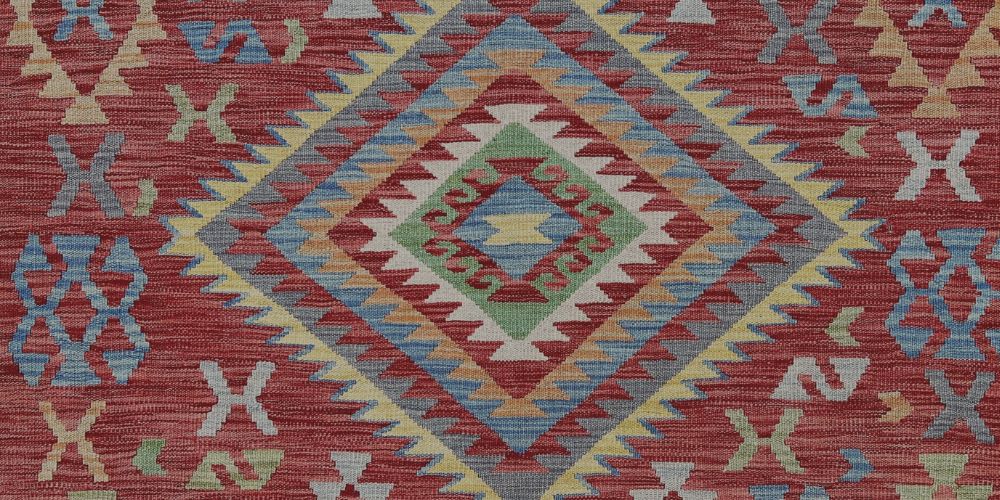
In flatweave rugs such as kilims, the yarn must also hold its shape precisely. These rugs rely on strong, durable wool to maintain crisp pattern edges and withstand daily wear - one reason they are often reversible and particularly well suited to busy areas of the home.
Colouring the thread: dyeing with intent
Once spun, the wool is ready to take colour.

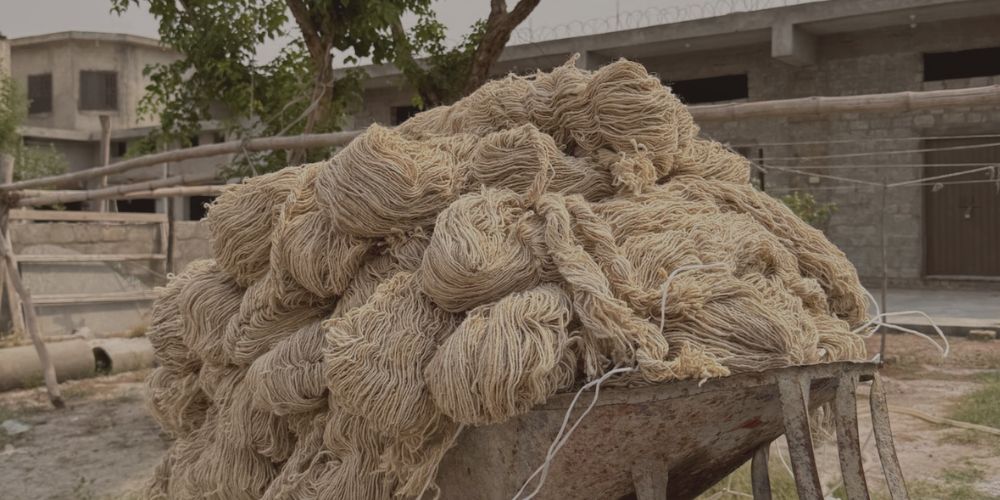
Wool absorbs dye beautifully, thanks to its natural protein structure. Whether dyed in small batches or larger dye houses, the process gives depth, warmth, and subtle variation to each skein.
From soft terracotta to muted blues, the colour story of a rug begins here - long before the weaving starts.
It’s part of the wider story explored in the craft of finishing a handmade rug, where these materials are brought fully to life.
Why wool remains the weaver’s preferred fibre
Wool has been used in rug making for centuries - and for good reason.
- Durability underfoot - strong enough for everyday living
- Natural stain resistance - more forgiving than many synthetic fibres
- Comfort and insulation - warm, soft, and quietly sound-absorbing
- Repairability - can be restored and maintained over time
- Sustainability - renewable, biodegradable, and long-lasting
It’s this combination that makes wool not just practical, but enduring - and a key reason we continue to focus on it across our hand-knotted rug collections.
Choosing the right wool for the weave

Not all wool behaves the same - and that’s part of its value.
- Long, strong fibres are ideal for structural yarns and flatweaves
- Softer, springier fibres are better suited to pile rugs, where comfort matters most
In kilims and other flatweaves, a firmer, well-plied yarn helps maintain definition and strength. In hand-knotted rugs, a slightly softer yarn creates that subtle “give” underfoot.
Selecting handmade rugs with the right wool and colour is as much about judgement as it is about process - something Alex considers carefully on every sourcing trip, choosing pieces we know will work well in the home.
Across both, high-quality wool provides the balance of durability, comfort, and character that defines a well-made rug.
From fibre to finished piece

By the time a rug reaches our Petworth showroom, it already carries a story.
Not just of weaving, but of fields, hands, and processes that began long before the loom was ever set.
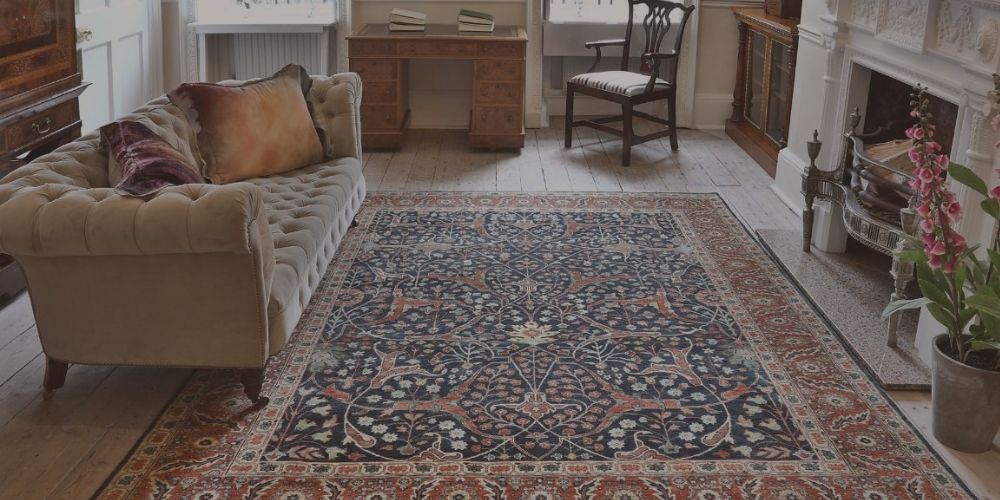
That’s what you feel when you run your hand across a handmade wool rug - not just texture, but the result of careful preparation, thoughtful material choice, and generations of skill.

Written by Alex Rees